B2B social media marketing: The complete 2026 strategy guide
By Kathryn Casna●5 min. read●Feb 27, 2026
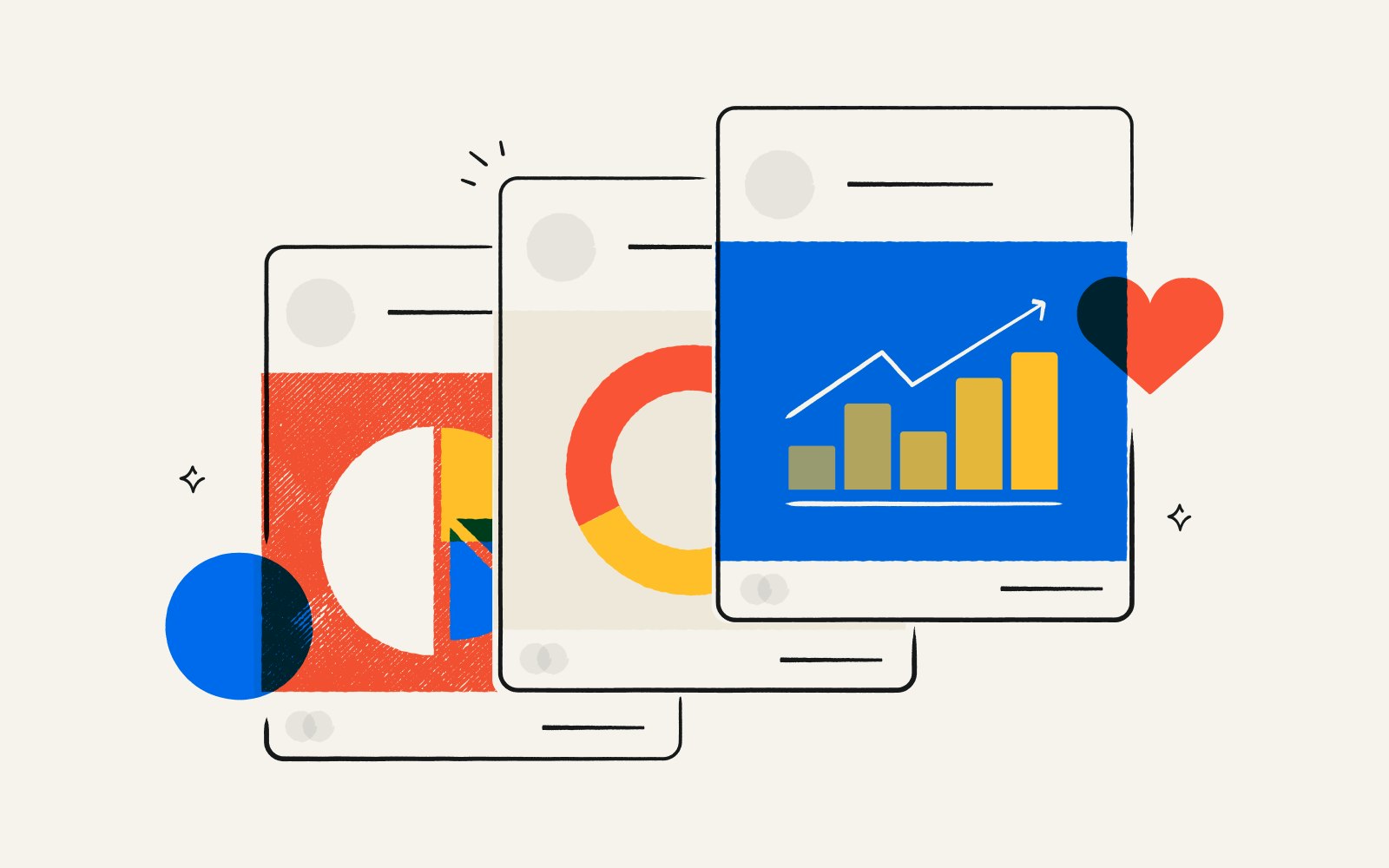
B2B social media has shifted from a "nice to have" channel to the second-most influential information source for buyers, trailing only generative AI tools themselves, according to Forrester's 2026 buyer research. And the two are more connected than they might seem.
Roughly 60% of searches now end without a click because buyers get their answers directly from AI. But before they buy, they validate. 87% of B2B executives use platforms like Reddit to vet vendors before ever talking to sales. Your social presence isn't just a marketing channel anymore — it's part of your prospect's due diligence file, and part of what AI systems use to decide who to recommend.
The question isn't whether to invest in social. It's how to build a strategy that actually shapes purchase decisions.
The platforms that actually matter for B2B in 2026
Not every platform deserves your time. The ones worth prioritizing are the ones where your buyers are actively researching, validating, and deciding.
LinkedIn: This is one of the leading social media platforms for B2B marketers. It’s where buyers actively compare vendors and validate shortlists — value flows through people (executives, employees), not company pages.
YouTube: Functions as a search engine for B2B buyers. 29% of enterprise buyers actively search YouTube for product demos and reviews before they ever contact sales. If you're creating demos, customer interviews, or how-to content, this is where they need to live.
Meta (Facebook and Instagram): This isn’t the place to expect organic traction. The value here is paid retargeting of warm leads and building customer communities. Facebook's targeting capabilities make it genuinely useful for account-based marketing (ABM); Instagram supports brand awareness and buyer validation among decision-makers.
Reddit: A major source for AI citations and buyer validation. If your brand has no presence in relevant subreddits, you're invisible to a significant share of generative search.
Building content that works across the buyer journey
The mistake most B2B teams make is creating "social content" instead of content that serves specific buyer needs at specific stages.
Awareness: Build category authority with educational content and genuine industry perspectives. You're not selling yet; you're becoming memorable when a buyer finally has the problem you solve.
Consideration: Social proof does the heavy lifting. Case studies, customer stories, peer validation, and employee advocacy content help buyers confirm their shortlist. This is where authentic voices outperform polished brand messaging.
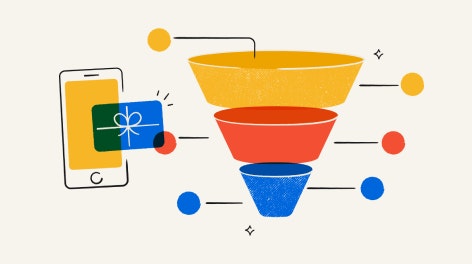
Decision: At this point, buyers have only a few questions blocking the deal. Content that removes friction (pricing transparency, ROI calculators, direct objection responses) accelerates closes, and so does incentive-backed demo booking.
The attribution problem (and how to solve it)
Here's a realistic B2B buyer journey: someone sees your LinkedIn post in January, downloads a whitepaper in March, watches a YouTube demo in May, validates you on Reddit in July, and finally requests a demo in September. Last-click attribution credits September. Everything that actually moved the deal gets ignored.
Unfortunately, this is the norm, not the exception. B2B buyers go through complex journeys with multiple touch points, but 67% of B2B marketing teams still rely on last-touch attribution.
A better approach requires several components:
Multi-touch attribution models: First-touch, last-touch, and linear attribution each tell a different part of the story. Use all three rather than picking one.
UTM parameters on every social link: Track source, medium, campaign, and content consistently. It's unglamorous work, but it pays significant dividends over time.
Post-purchase surveys: Ask "How did you first hear about us?" Attribution tools miss a lot of what humans actually remember.
Branded search lift: If social impressions increase and branded search traffic follows, that correlation is meaningful even when direct attribution isn't possible.
Influenced pipeline tracking: In your CRM, tag deals where social played any role in the buyer journey — not just deals it sourced. This reframes the conversation from "did social close deals?" to "does social engagement correlate with better outcomes?" Some rewards platforms, including Tremendous, also support automatic attribution-tracking for incentive-driven campaigns like referral programs and affiliate partnerships.

Platform-specific best practices that actually work
Here's what the data says about each platform worth your time.
Prioritize personal brands over company pages. Organic reach for company pages has cratered to around 1% of followers, down from 7% just a few years ago. Meanwhile, employee posts generate 14x more engagement than brand content, based on an analysis of 400 million LinkedIn impressions.
Help employees and leaders post engaging content — like videos, which get 5x more engagement than other formats, and live videos which achieve 24x. Additionally, skew heavily toward native posts rather than external links, which the algorithm systematically deprioritizes. This strategy pairs naturally with structured referral and affiliate marketing programs that give employees and partners a reason to share.
YouTube
Treat YouTube as SEO, not just social. Create searchable, evergreen content that answers what buyers are actually researching: product demos, customer interviews, how-to guides. In the UK, 70% of B2B buyers use video in purchase decisions. If you're not there, you're missing a significant portion of the consideration stage.
Meta (Facebook and Instagram)
Don't expect organic reach here. Paid is the play. The value of Meta platforms is in retargeting warm leads and building customer communities. Facebook's targeting capabilities are genuinely powerful for account-based marketing (ABM), and Instagram supports full-funnel engagement from brand awareness through buyer validation among decision-makers.
Approach this platform differently from all the others. Broadcast marketing doesn't work here. The community actively rejects it. What does work is:
Lurking in relevant subreddits like r/marketing, r/saas, and r/entrepreneur to understand real buyer concerns
Contributing genuine value without pitching
Participating in AMAs
Running paid ads only after you've built organic credibility.
The effort is worth it: Reddit accounts for roughly 40% of AI citations, and 90% of its users trust Reddit to discover new products and brands.
Emerging strategies for 2026
A few approaches are shifting from experimental to essential this year.
Employee advocacy and executive thought leadership: This is no longer optional. With company page reach cratered, employee and executive content is the primary organic distribution channel on LinkedIn. Getting leadership consistently posting isn't just good for brand building, it's a prerequisite for organic visibility.
B2B influencer marketing: 75% of B2B marketers are now allocating budget to influencer partnerships, according to Forrester. The focus is on credibility over reach — industry analysts, practitioners, and micro-influencers with 5,000-50,000 highly engaged followers in your niche consistently outperform broader reach plays.
Social commerce on LinkedIn: LinkedIn's native product pages and demo booking integrations are reducing the friction between discovery and conversation. Worth building out if you haven't already.
Generative Engine Optimization (GEO): The biggest shift in 2026 is optimizing your social presence not just for human audiences, but for AI systems. Be present and authoritative in places LLMs source information: Reddit, LinkedIn, YouTube. Use structured content that answers common questions directly and comprehensively. Build brand search volume, which research shows is the strongest predictor of AI citations, ahead of backlinks. The brands that invest in authentic community presence now will have a compounding advantage as AI-mediated search grows.
Measuring what matters
Likes, shares, and follower counts feel good. They tell you very little about business impact.
Stop tracking vanity metrics. Start tracking:
Pipeline influenced (not just sourced): Did social play any role in a deal, at any stage?
Cost per qualified lead by channel: Is social more or less efficient than other channels?
Engagement by target account: In an ABM context, are the right companies engaging with your content?
Share of voice: Are you winning the conversation in your category?
Deal velocity: Do social-engaged prospects close faster?
The goal isn't to prove that social drove every deal. It's to demonstrate that social engagement correlates with better outcomes — higher conversion rates, faster closes, and higher lifetime value. That requires integrating your social tools with your CRM and marketing automation platform. It's infrastructure work, but it's what transforms social from a cost center into a measurable revenue contributor.
B2B social in 2026 isn't about being everywhere. It's about being present where your buyers are researching, validating, and deciding — and making sure AI systems recognize you as an authoritative voice when they summarize those conversations.
The brands winning aren't the ones posting most often. They're the ones showing up with the right information at the right moment, consistently enough that buyers remember them when it counts.
If you're thinking about how incentives can support your social strategy — through loyalty programs, referral campaigns, or partner rewards — the mechanics matter as much as the platform. The right structure turns a one-time share into a repeatable growth loop.


