Retention incentives for SaaS: milestone rewards, renewal nudges, and win-back offers
By Kathryn Casna●7 min. read●Jul 23, 2026
In a subscription business, revenue compounds when customers stay and erodes when they leave. It's tempting to watch that math play out in your metrics and then scramble to rescue customers who are already halfway out the door. Incentives offer a more proactive option.
Retention incentives reward customers at key lifecycle moments, like an activation milestone, an on-time renewal, or a re-engagement after a quiet stretch, to reinforce the behaviors that keep an account healthy. Unlike a discount, which lowers what a customer pays, a retention incentive recognizes something the customer did. It turns an ordinary lifecycle event into a reason to stay.
The trick is finding the right mix of SaaS retention incentives and setting up the mechanics to maximize value for the customer without piling more work onto your plate. This guide covers what retention incentives are, why they work, and three plays for putting them to work across the customer lifecycle.
What are retention incentives for SaaS?
Retention incentives are rewards, such as gift cards, prepaid cards, or monetary options, tied to specific moments in the customer lifecycle that reinforce activation, ongoing engagement, and renewal.
They aren't discounts. A discount reduces what a customer pays for your product, and it's worth being careful not to frame a retention incentive that way in your marketing. A reward recognizes and celebrates something the customer did, which sends a different message about the relationship.
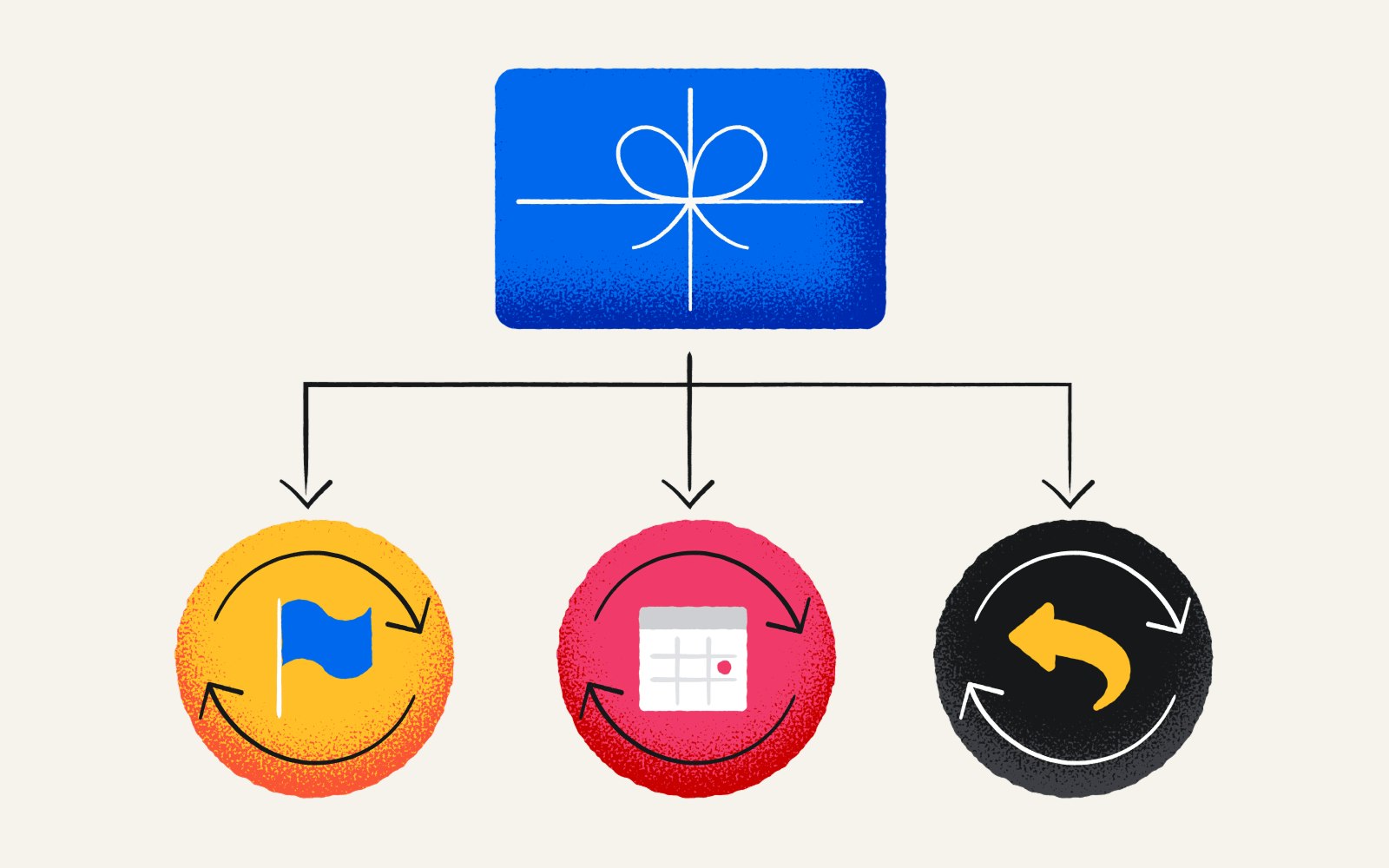
There are three moments in the customer lifecycle when a well-timed reward can reinforce the right behavior: activation and usage, renewals, and at-risk or churned accounts. Rewarding at these points helps you stay ahead of customer churn instead of constantly making up for it.
Why is customer retention a growth lever for SaaS, not just a defensive metric?
Prioritizing retention in SaaS comes down to the math of compounding. High retention keeps your existing revenue base intact, so every new customer you acquire adds to it rather than backfilling what you lost. That growth compounds in three ways:
It compresses your customer acquisition cost (CAC) payback. When churn is low, you recover acquisition costs faster because your existing customers keep paying. Every month a retained customer renews is a month you don't have to spend to replace them.
It extends customer lifetime value (LTV). LTV is a function of how long customers stay and how much they expand their spend. A customer who renews for three years and upgrades once is worth several times more than one who churns after the first contract, even if the initial deal was the same size.
It turns customers into a pipeline. Satisfied, long-tenured customers refer peers, leave credible reviews, and show up in your case studies. That referral pipeline brings in new prospects who already trust you.
What is the average SaaS retention rate?
Knowing where you stand matters, but good benchmarks vary with company size, who you serve, and your price point.
A SaaS Capital 2025 report puts gross revenue retention (GRR) for private B2B SaaS companies at roughly 90% to 95%, depending on average contract value (ACV). B2C retention tends to run lower, since it's usually easier for a single consumer to walk away than for an entire business to rip out a system its teams rely on. Early-stage companies of any kind see more variance as they search for product-market fit, while established companies with dialed-in retention strategies may see very little movement year to year.
There's no single good retention rate. Compare yours to similar companies and products, aim for steady improvement, and keep your focus internal. Make last year's numbers the benchmark to beat this year.
Knowing your retention rate tells you where you stand. It doesn't tell you what to do next. That's where incentive-based strategies come in.
Why do incentives work for activation and engagement?
A reward reinforces a behavior at the moment it happens, rather than months or years later when the full payoff finally shows up. That timing is the whole point.
Immediate rewards reinforce behavior more strongly than delayed ones, and that's a challenge for SaaS, where the value often builds over a long horizon. It's the difference between a slot machine that pays out on the spot and one that promises to mail your winnings later. The delay drains the moment of its meaning.
Applied at the right moment in the customer lifecycle, a reward turns an abstract business relationship into something tangible: a gift and a note of thanks.
Incentives work best when they support something a customer already finds valuable. They don't rescue a product that isn't delivering, and used as a blunt substitute for value, they can erode price expectations over time.
The same logic applies to other incentives you might already be using, like demo form fills or sign-up bonuses. They work because they're tied to real moments of customer progress, commitment, or reconsideration, not deployed out of desperation. But in retention, you're applying them to keeping customers active, rather than acquiring them.

What are the top customer retention strategies for SaaS?
There are plenty of ways to incentivize retention. Focusing on a few key moments in the SaaS customer lifecycle gets you the most out of your budget. These are proactive investments, not crisis fixes, and they're ordered by lifecycle stage so you can find the moment most relevant to you.
1. Milestone rewards to earn activation and engagement
The first days after a conversion are critical for driving retention. A 2025 benchmark report from Amplitude shows up to 91% of users drop off in their first 14 days. Customers who don't experience value early are unlikely to stay, and a slow start rarely self-corrects. That’s extra tough for SaaS products that deliver compounding value over time.
So reward the win, not the wait. Trigger a small, meaningful reward when a customer completes a key action that shows they're getting value, like their first integration, first report generated, or first team member invited. Offer a choice of reward type, whether that's a gift card, prepaid card, or monetary option, so it feels personal. Deliver it instantly by email or SMS so the recognition lands while the moment's still fresh.
An onboarding reward isn't a bribe. It's a signal that you notice the customer's progress and you're invested in it.
2. Renewal nudges that reward commitment
A renewal is technically a contractual event. Handled well, it's also a relationship moment, a chance to recognize that a customer chose to stay and to reinforce that the choice was the right one.
Renewal rewards work across a few scenarios:
On-time renewals: A thank-you reward acknowledges the commitment without reducing what the customer pays.
Multi-year agreements: A larger reward recognizes a longer-term bet and reinforces why it'll pay off.
Plan upgrades: A reward gives customers a reason to explore new features and a little immediate payoff for the decision.
Renewal rewards do double duty when they're tied to an expansion commitment. A customer who upgrades to an annual plan and receives a thank-you reward has locked in future revenue and been reminded why they made the call. That's more memorable than a renewal that slips by without acknowledgment.
3. Win-back offers for at-risk and churned customers
Win-back incentives target two groups: customers showing churn signals, like declining usage or non-renewal intent, and customers who have already churned. Neither is a great position, but neither is hopeless.
The earlier you act on a churn signal, the more options you have. Declining usage is your early-warning system. A customer who has stopped logging in has already started to leave, even if the subscription is technically active. Well-timed outreach with a tangible offer can interrupt that pattern before churn hits.
If you miss the warning signs and they cancel, channel your inner first responder and move quickly. A ChartMogul report shows that 45% of winbacks happen within 30 days, and 66% happen within 90 days. The same report found that about a third of returning customers come back on a plan with higher annual recurring revenue (ARR) than the one they left. Former customers already know the product, understand the value, and have made the payment commitment before, which makes their revenue easier to win than a brand-new acquisition.
Make the offer tangible, like a gift card or monetary option, rather than only a discount on the next invoice. Tangibility reads as genuine appreciation instead of a sales tactic.
What about loyalty and referral rewards?
Loyalty and referral rewards sit just outside the three core plays, but they run on the same marketing-incentives logic.
Loyalty rewards can support retention, as long as you resist tying them to the calendar. Tie them to actions that tend to happen over time instead, like usage achievements. Games do this well, handing out badges for milestones like 100 hours of playtime or hitting a major in-game goal. For a SaaS product, that might mean rewarding a customer for creating 50 documents, reaching 50% of their storage, or trying every core feature.
Referral rewards do double duty. They reinforce the referring customer's commitment to your product and bring in new customers who arrive pre-qualified by someone they trust. Referral programs work best when the reward is flexible and available across the markets your customers live in, so a broad catalog helps you deliver something people actually want.
How do you run a retention incentive program?
Once you've settled on a rewards strategy, set up the mechanics with a few things in mind:
Tie rewards to behaviors, not the calendar. A reward for completing an integration means more to the customer, and to you, than a reward for hitting day 30. Behavior tells you something about engagement. The calendar doesn't.
Offer recipient choice. A customer who has a choice of reward type is more likely to remember it and associate it positively with your brand. Flexibility also matters globally: a reward catalog that works in one market may not offer easily spendable rewards in another.
Deliver instantly. Recognition that arrives late loses most of its impact. Send rewards right after the milestone or trigger so they land while the moment is fresh.
Automate the sending. Rewards that depend on a team member to notice and act don't fire consistently. Tying them to behavioral triggers through your CRM, customer success platform, or a tool like Tremendous that automates bulk reward delivery means they reach customers at the right moment, every time.
Measure the right metric for each play:
Milestone rewards to drive activation and engagement.
Renewal rewards show up in renewal rate and expansion ARR.
Win-back rewards show up in reactivation rate.
Avoid discount training. Be careful not to word your offer as a discount, or you’ll risk training customers to ask for them. Cable companies are notoriously stuck in this retention discount cycle of their own making. Unlike a discount, a “reward” signals that you value the relationship and you’re investing in restoring it.
Reward the moments that keep customers active
Retention is something you invest in, not a leak you patch. The SaaS companies that compound revenue over time tend to treat customer relationships as ongoing rather than transactional. They recognize effort, mark milestones, and respond to disengagement before it turns into churn.
Tie rewards to the moments that matter, like first product wins, renewed commitments, and referrals. A well-timed, well-designed reward reinforces the behavior while showing you're invested in the customer's success, not just their subscription. Reward the right moments, give people a real choice, and you turn ordinary lifecycle events into reasons to stay.