Digital payouts vs. paper checks: The real cost for businesses
By Abby Quillen●4 min. read●May 1, 2026
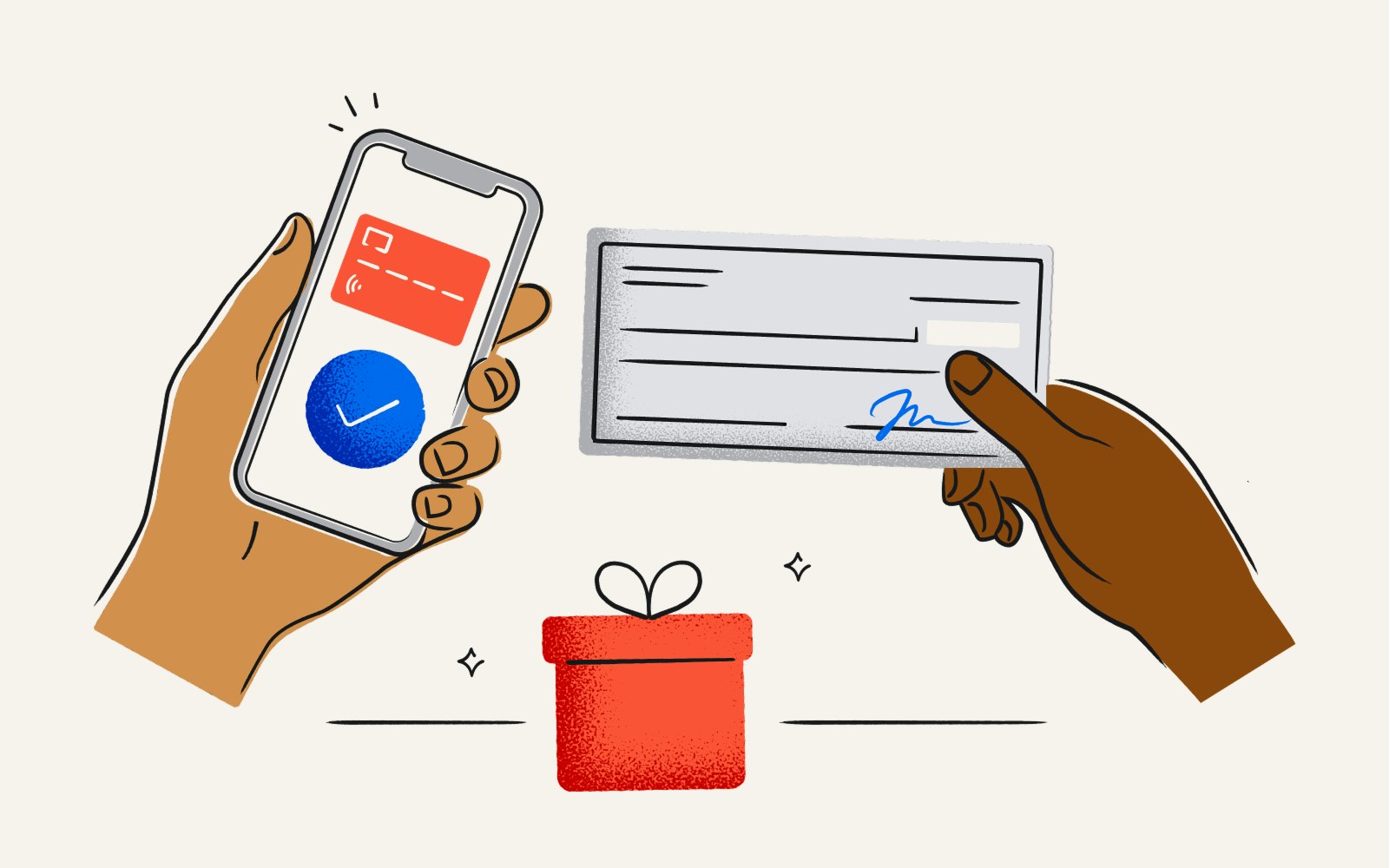
A single stolen check cost the Bazooka Gum manufacturer $1.2 million. A distributor mailed a check to an old address, a fraudster intercepted it, opened a company with a nearly identical name, and deposited the funds.
The Bazooka case isn’t an outlier.
Check fraud is on the rise, and it’s just one of the risks of using paper checks at scale. Checks can get lost in transit, leaving recipients wondering where their payment is. They can also take days to clear and require manual reconciliation, both of which delay cash flow.
Digital payouts were built to solve these exact problems. Bank transfers, virtual prepaid cards, and payment apps like PayPal, Venmo, and Cash App make it possible to send funds quickly, track where the money is going, and reduce fraud risk.
This article breaks down the costs of paper checks and explains why more businesses are switching to electronic payments as a faster, safer, and more cost-effective alternative.
Key takeaways
The hidden costs of checks add up: Paper checks cost up to $18 per transaction, including materials, postage, and labor. Digital alternatives cost a fraction of that.
Checks may seem safe, but carry more risk: Paper checks are 31 times more susceptible to fraud than real-time payments.
Digital payments save time and money: Digital payouts automate reconciliation, scale without added overhead, and reach recipients faster in most business payout scenarios.
The transition is already underway: 76% of organizations plan to modernize their payment strategy and move beyond paper checks within three years.
The real cost of paper checks
The true cost of paper checks goes well beyond postage.
Materials and postage: Checks, envelopes, and postage can run $2-$4 per check.
Labor costs: The time staff spends printing, signing, mailing, and manually reconciling payments adds up. When you factor that in, the cost of a check climbs to $18 per transaction, according to one estimate.
Stop-payment fees and reissuance costs: Canceled checks typically incur bank fees of $25 to $35 each. Then your team has to track down the correct address, print a new check, and mail it again, starting the materials and labor costs from scratch. Add it all up, and a single canceled check can cost a business $60 or more.
Cash flow and interest costs: Paper checks take 2 to 3 business days to clear under normal conditions, and up to 7 days for large or flagged payments. Every day funds sit in transit is a day they're unavailable, which can create cash flow gaps. For businesses relying on a credit line to bridge those gaps, that can mean additional interest costs.
Recipient frustration: Recipients increasingly expect instant payments. In one study, 46.2% of people said instant delivery was their most common way of receiving income. If your recipients wait weeks for checks to arrive and clear, frustration builds. A slower payment experience may lower satisfaction and hurt their perception of your business.
While the direct and indirect costs are significant, they’re not the biggest risk that paper checks create.
Paper checks are more vulnerable to fraud risk
Many businesses often view digital payments as a more significant fraud risk and checks as a safe fallback. But the data says otherwise.
Checks are 31 times more likely to be fraudulent than real-time payments and accounted for 31% of U.S. fraud losses in 2024. In the same year, 62% of organizations experienced attempted or actual check fraud. And when fraud does occur, one-fifth of organizations never recover the funds.
Checks are more vulnerable to fraud because they include full routing numbers, account numbers, and authorized signatures, all of which are visible in plain sight. Check fraud has become increasingly sophisticated and organized, with coordinated groups stealing checks from mailboxes, altering payment details, and rerouting funds.
Digital payments are built differently. Encryption, tokenization, and real-time anomaly detection mean sensitive account information is never exposed in transit. The data reflects that: Only 3% of financial institutions report significant fraud losses with real-time payments.
Continuing to rely on checks to avoid digital risk may seem cautious, but it’s actually the riskier position.
Disclaimer: Tremendous can't provide tax or legal advice. While we've covered the basics of digital payouts here, you should run your payment method plans past your company's tax and legal advisors to be sure your programs are fully compliant and optimized for your situation.
Traditional checks vs. digital alternatives
Here's how paper checks stack up against the most common digital alternatives:
| Attributes | Paper check | ACH | Digital payouts |
|---|---|---|---|
| Processing time | 5-7 days | 1-3 days | Minutes to same day |
| Cost per transaction | $4-$20 | ~$0.25-$0.50 | Varies by platform |
| Fraud risk | High | Low | Low |
| Reconciliation | Manual | Automated | Automated |
| Scalability | Poor | Strong | Strong |
| Global capability | No | Limited | Yes |
| Audit trail | Limited | Full | Full |
Two big contrasts stand out:
Cost: A single paper check can run $4 to $20 including labor, materials, and reconciliation, compared to $0.25 to $0.50 for Automated Clearing House (ACH).
Speed: Checks take 5 to 7 days to process. ACH cuts that to 1-3 days, while digital payouts can land in minutes.
For businesses operating globally, the gap widens further. Digital alternatives like ACH (in the U.S.) and the Single Euro Payments Area (SEPA) in Europe enable low-cost electronic transfers that are often free for consumers and cost only a few cents for businesses. That makes them far cheaper and simpler than international checks or wire transfers.


How this plays out in practice
Let’s take a look at three common business scenarios where using paper checks might cause friction.
1. Contractor and vendor payments: Mailing delays, manual processing, and slower settlement times create an administrative burden on both sides. When vendors and contractors wait longer than necessary to access funds, it can strain relationships over time.
2. Customer refunds and rebates: People frequently change addresses, making this a common cause of undelivered checks. When a check is returned or doesn’t get cashed, reissuing it incurs additional costs for reprocessing, stop-check fees, and re-mailing.
Additionally, companies have to track outstanding items, attempt to contact recipients, and remit funds to the applicable state if they go unclaimed.
3. Employee incentives and bonuses: Paper checks make rewards feel less valuable. A recent Tremendous study found that recipients value a check $13.37 less than the same payment delivered digitally. This perception gap means teams may need to budget for higher incentives while also absorbing the higher cost of issuing checks.
The shift to digital payments is already underway
Three-quarters of companies still use paper checks for a variety of reasons: legacy enterprise resource planning (ERP) integrations, vendor requirements, or a sense that checks are the safer, more familiar option.
But the trajectory is clear: digital payments are becoming more popular. The federal government is phasing out paper checks, AI is accelerating check fraud sophistication, and recipient expectations are shifting toward instant delivery.
Businesses recognize the shift, too: 76% expect to update their payments strategy in the next three years.
The question for most businesses is no longer whether to move away from checks, but which digital method best fits their existing workflows.