What are digital wallets? An overview for business senders
By Abby Quillen●4 min. read●Sep 16, 2026
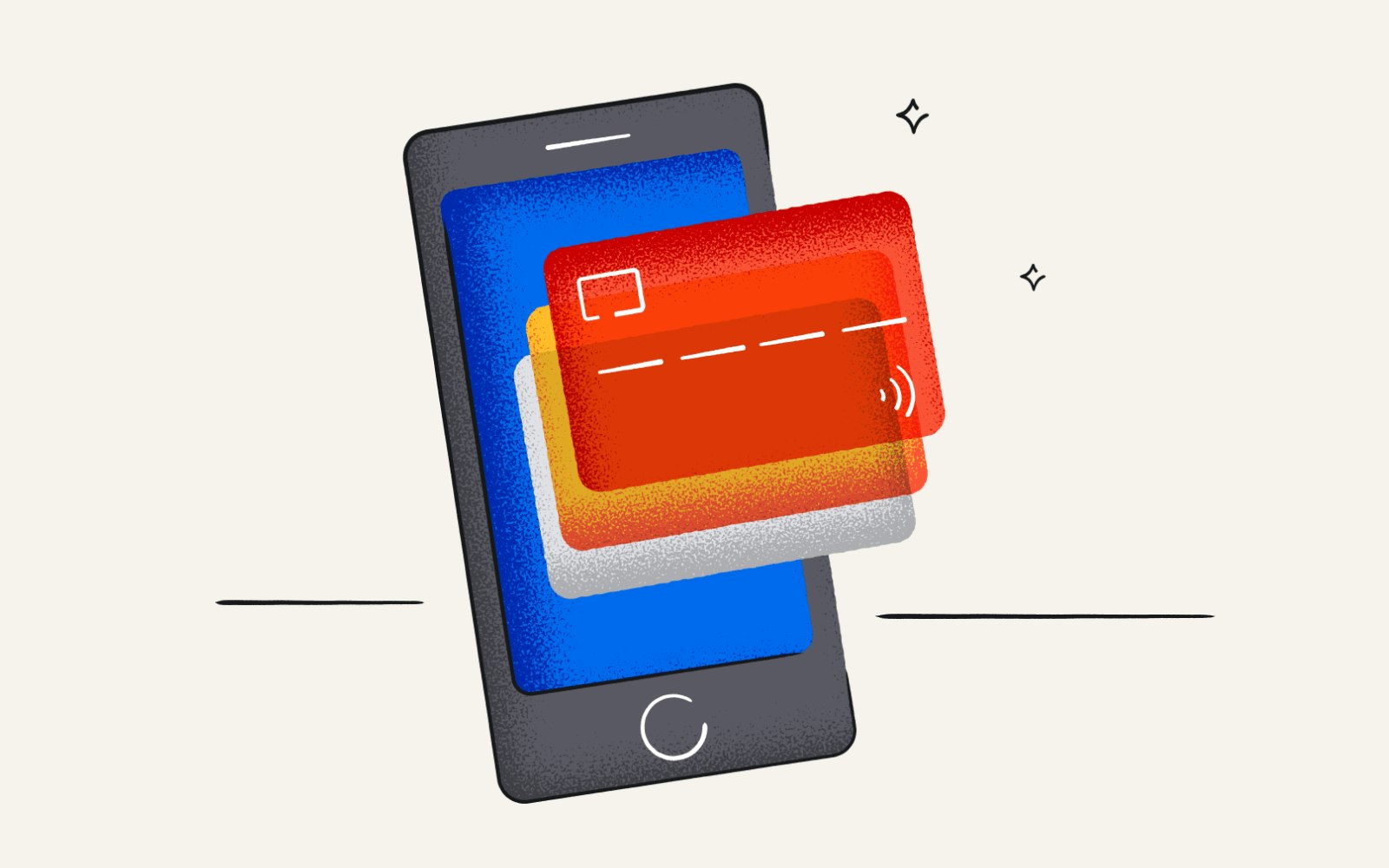
When building a rewards or incentives program, one of the first decisions is what payout options to offer recipients. Digital wallets can be a valuable addition to your catalog.
They’re already widely used, with more than 4.5 billion users worldwide in 2025. People like receiving them as rewards, too. PayPal, for example, was the most redeemed reward among Tremendous recipients between March 2025 and March 2026.
But the term “digital wallet” describes a variety of products, and not all of them can be used for business payouts.
Here’s a breakdown of which types of digital wallets qualify for payouts, popular providers in different markets, and what to consider before adding them to your reward mix.
What is a digital wallet?
A digital wallet is a service that stores payment credentials, allowing people to pay, transfer, or receive funds. Many can also hold a balance, but this feature isn’t universal. That difference matters when you're deciding which wallets to offer for business payouts.
Wallets like PayPal, Venmo, and GCash can receive payments and hold balances, making them useful options for businesses sending rewards.
Apple Wallet and Google Wallet serve a different purpose. They primarily store cards that people use to make purchases. For example, a recipient might load a virtual prepaid card into their Apple Wallet, but the wallet itself isn’t the payout option.
The benefits of using a digital wallet for business payouts
Digital wallets are worth including in your reward catalog for a few reasons:
Flexibility: A digital wallet balance can be spent almost anywhere, while a gift card ties the recipient to one brand or a small group of brands.
Fast delivery: There’s no waiting for a physical gift card to arrive in the mail or a check to clear. Payouts can arrive in minutes.
Fewer lost rewards: Because the balance lives in an app, digital wallet payouts are harder to lose or misplace than physical cards or checks.
Low friction: Many people already have a wallet account and know how it works. For those recipients, there's little to set up and learn before they can access and use their reward.
How digital wallets differ from other payout types
Most digital wallets require people to create an account or download an app, which may not work for everyone. Offering them alongside a range of reward options, such as bank transfers, prepaid cards, and gift cards, tends to work best, as it gives people more ways to choose what works for them.
Here’s how they compare:
Digital wallets vs. bank transfers
A bank transfer moves funds directly from your account to the recipient’s bank account. A digital wallet payout sends funds to a recipient’s wallet provider, such as PayPal. From there, they can either spend the balance in the wallet or transfer it to their bank account.
Digital wallets vs. prepaid cards
Prepaid cards are physical or virtual cards preloaded with a fixed amount of funds. They can typically be used almost anywhere the card network is accepted. The recipient spends the balance using the prepaid card rather than through a digital wallet provider. Unlike digital wallets, prepaid cards usually don’t require users to create an account or download an app.
Digital wallets vs. brand-specific gift cards
Gift cards work like prepaid cards, but the balance must be spent with the issuing merchant. Digital wallet funds can generally be spent anywhere the wallet is accepted.

Popular digital wallets by market
If you send rewards globally, it’s important to know that there’s no single digital wallet that works for every market. Adoption and availability vary significantly across regions, so a provider that’s familiar to recipients in one country might be less common or unavailable in another.
Here are a few examples across major markets:
U.S. and Canada: PayPal is available in both countries. Venmo and Cash App are U.S.-only.
Latin America: Mercado Pago has a broad regional presence. Others are popular in individual countries, like PicPay in Brazil and Nequi in Colombia.
Asia-Pacific: This region is particularly fragmented, and digital wallet preferences vary across countries. Well-known options include GCash in the Philippines, DANA in Indonesia, and Alipay in China.
Europe: PayPal is widely available across the region. Many countries also have established local mobile payment services, such as Bizum in Spain and Swish in Sweden, though these may operate differently from digital wallets that hold a balance.
These differences are another reason to include digital wallets as part of a broader rewards catalog rather than rely on them as the only option.
What to consider before offering digital wallet payouts
Weigh these factors when deciding which digital wallets to offer:
Geographic availability: A wallet that’s everywhere in one region may be unavailable or uncommon in another. For example, Venmo is widely used in the U.S. but isn’t currently available in Canada.
Recipient preference: Prioritize wallets that are already familiar to your audience. Consider their location and how they typically prefer to receive and use funds.
Fees: Some wallet payouts may incur transaction fees that fall on your business or the recipient. Make sure you understand the fee structure before committing.
Currency support: If you’re sending rewards across borders, check whether recipients can receive funds in their local currency.
Security: Fraud monitoring and liability protections differ from one provider to the next.
Account requirements: Most wallets require the recipient to have an account or create one. Consider how much setup is required.
Payout limits and eligibility: Some providers limit how much recipients can receive or require identity verification. Check for restrictions that could affect your program or recipients.
Operational complexity: Managing multiple wallet providers can mean juggling different systems for funding, tracking, and support.
Where digital wallets fit
Digital wallets give recipients a fast, familiar way to receive rewards. They’re most useful as part of a broader rewards catalog that also includes gift cards, prepaid cards, and other monetary options, giving people the freedom to choose what they prefer.